Whether you dream of being self-sufficient or you simply want to grow some fruit and veg for your family to complement the weekly shop, a greenhouse could be your first step towards gardening success. These simple but effective shelters are the perfect place to produce an array of tasty plants.
By extending the growing season and protecting greens from the harshest of the elements, they can help you to nurture everything from salad leaves and herbs to cucumbers, tomatoes, peppers, chilies, citrus fruits, strawberries, raspberries and much more. Just remember to water your crops regularly and to open vents and doors to get air circulating.
Of course, for the best results, you’ll need to choose the perfect product, and if you’re not sure what to look for this is where a greenhouse buying guide comes in handy.

Which materials work best?
Glass is the traditional choice. Inexpensive and easy to replace, it’s ideal. If you’re worried about breakages, you can buy toughened glass versions, which are less likely to break and, if they do, the resulting pieces aren’t as sharp. Remember, though, that you’ll pay extra for this strengthened material though. Another option is plastic. Some gardeners now use twin-walled polycarbonate sheets. However, these sheets tend not to age well. They can become cloudy over the years.
You must also think about the frame. Most greenhouses are made from aluminum, and this is an inexpensive and maintenance-free option. If you’d prefer a more natural look, wood could work well. However, this will cost you more and you’ll need to treat the timber to prevent rot.
Is bigger always better?
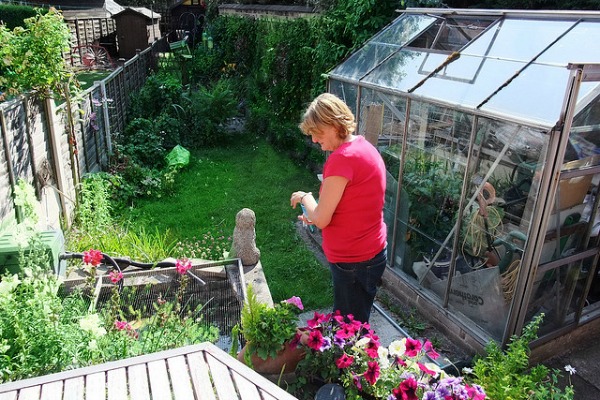
Think carefully about the size of greenhouse you want to buy too. If you have the space, walk-in versions are great because they allow you to work inside. Dimensions of at least six foot by eight foot will give you enough room to include a central path and some shelves.
However, if you’re lacking in square footage, compact designs can be effective. One way to save space is to create a lean-to greenhouse that rests against your property. As well as taking up less room, these designs are easier to heat. Meanwhile, mini versions — which are effectively glazed cupboards with shelves — are also effective. They can easily slot into patio areas, under windows and into a range of other locations.

How can you season-proof?
To help ensure your plants prosper, make sure you season-proof your greenhouse. During winter, sheets of bubble insulation can help to trap warmth. You may also need to use a heater. Electric fan versions complete with thermostats are best.
In summer, shading blinds fitted to either the outside or the inside of your shelter will help to keep temperatures down. Alternatively, a simple white shading wash will do the job and it’ll cost you less.
As long as you know what to look for when you’re choosing your greenhouse, you should be able to look forward to many happy years of gardening!
